
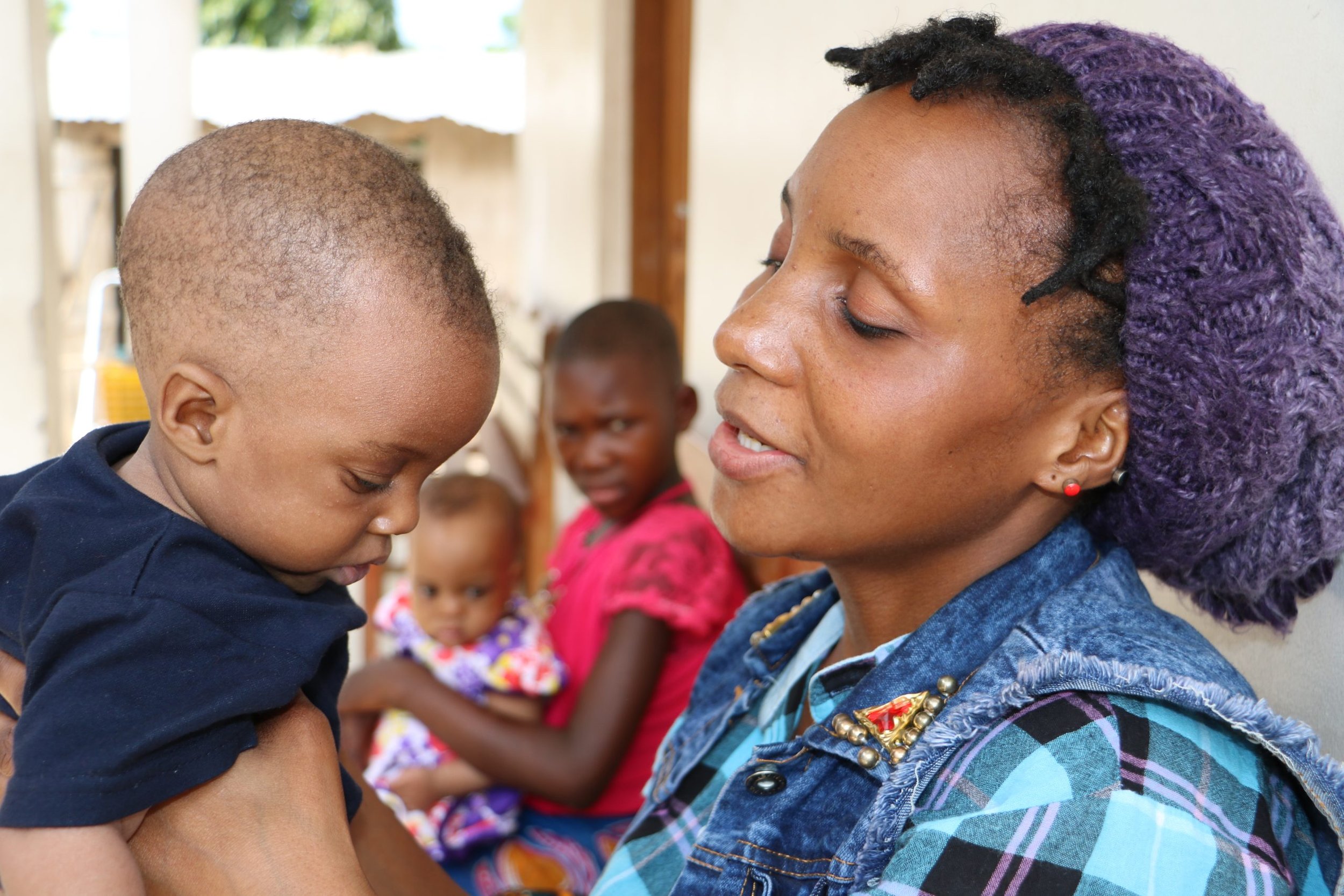
EECC
Essential Emergency and Critical Care
Simple, low-cost, life-saving care that every critically ill patient should receive - in every hospital in the world.
What is EECC?
Critical illness causes millions of deaths every year. Care for critically ill patients is often neglected - not because the treatments are complicated, but because of a lack of prioritisation, coordination and coverage of the most basic life-saving care.
Essential Emergency and Critical Care (EECC) is the care that all critically ill patients should receive, whatever their age, diagnosis, medical specialty or location in the hospital. It focuses on how sick a patient is rather than on what disease they have: identifying critical illness early and giving simple treatments such as oxygen for respiratory failure and fluids for circulatory failure.
EECC is pragmatic and low-cost, appropriate for every country in the world, and has the potential to substantially reduce preventable deaths. The concept was launched in 2018 in the journal Critical Care, and the initiative is led by Dr Tim Baker, CEO of Life Support Foundation.
Why it matters
1 in 8
hospital inpatients is critically ill
96%
of critically ill patients are cared for on general wards, not in intensive care units
1 in 5
critically ill patients dies in hospital - compared with about 3% of other patients
56%
of critically ill patients in African hospitals do not receive the simple EECC they need
Implementation in Tanzania
Through the EECC in Tanzania programme (EECCiT), EECC was implemented in more than 300 health facilities in five regions of mainland Tanzania and Zanzibar during 2025. The government of Tanzania has also developed a National Strategic Plan for EECC. Preliminary findings show:
Health workers identifying and managing critically ill patients using EECC processes Improved outcomes for critically ill patients
Better observation of vital signs, teamwork and rapid responses
More patients with low oxygen receiving oxygen, more patients in shock receiving fluids, and more unconscious patients having their airway protected
Improved outcomes for critically ill patients
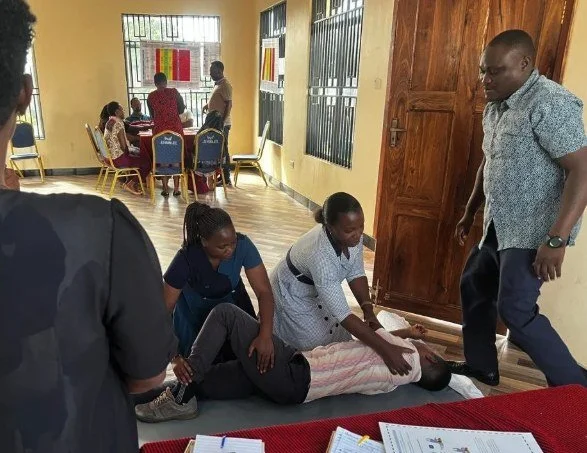
EECC training on a hospital ward
From one idea to 127 countries
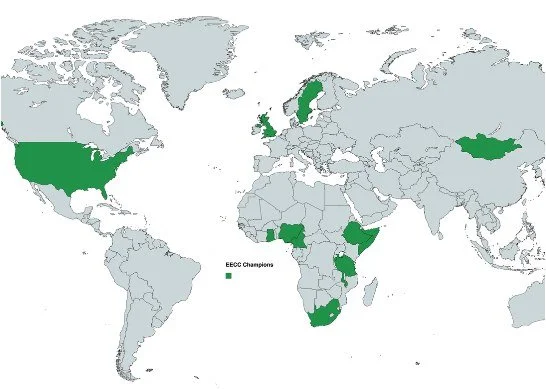
EECC hubs and groups around the world, 2025
EECC is spreading through a growing network of clinicians, researchers and partners. National Hubs promote and implement EECC in Malawi, South Africa, Somalia, Ethiopia, Burundi, The Gambia, Nigeria, the United Kingdom and Sweden, and new groups are forming in countries such as Rwanda, Somaliland, Mauritania, Nepal and Ghana.
EECC Champions - clinicians trained to lead change in their own hospitals - have been trained in workshops in Dar es Salaam and Zanzibar, with participants from eight countries.
A GLOBAL MOVEMENT
1,700
members of the EECC Network
127
countries
10
national EECC Hubs
116
trained EECC Champions
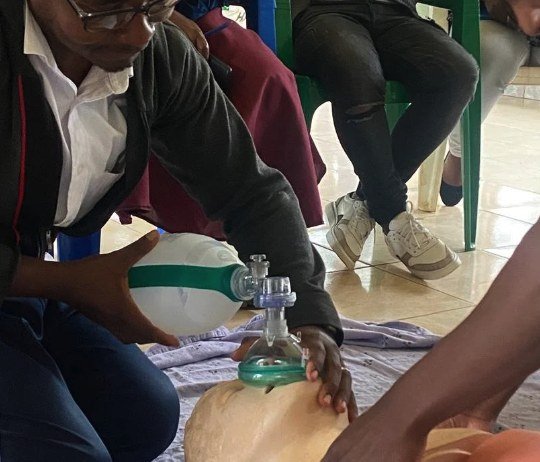
Free training for health workers
Hands-on airway training
TRAINING
Training gives health workers structured skills to identify critical illness and act early, while strengthening communication and teamwork. A three-day, face-to-face EECC course has been developed and refined in Tanzania, and is now free and open access - including facilitator manuals, pocket handbooks, slide decks and evaluation materials.
Participants report greater confidence, better understanding of early warning signs and a stronger sense of responsibility in emergencies.
Support EECC
Your gift helps train health workers and bring simple, life-saving care to critically ill patients - wherever they are.
Bankgiro: 502-1456
Swish: 123 461 08 04

Projects
-
![]()
EECC
Simple, low-cost, life-saving care for every critically ill patient in every hospital in the world - now in over 300 health facilities in Tanzania and a global network across 127 countries.
-
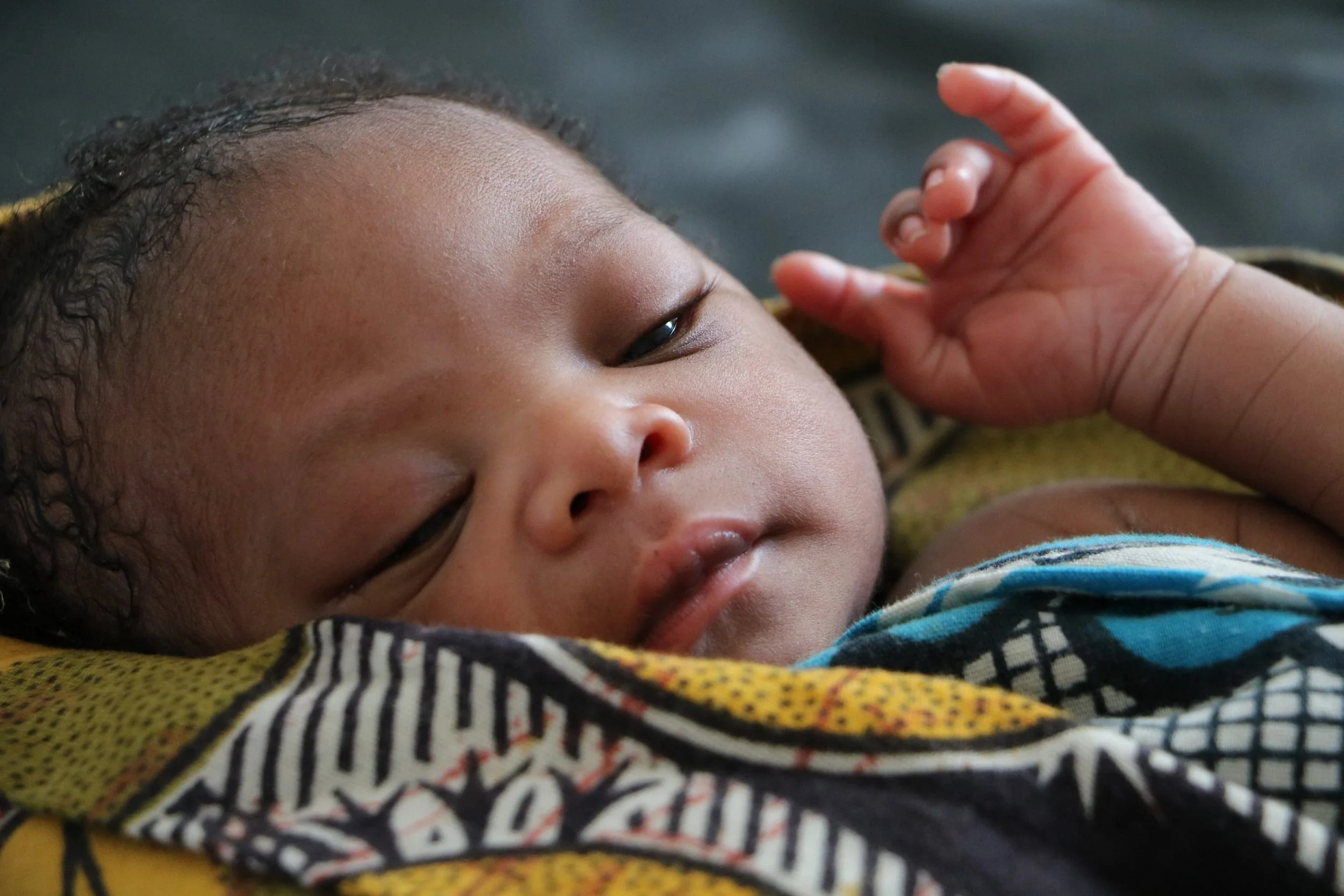
![Sleeping newborn baby wrapped in a colourful blanket]()
KEEP
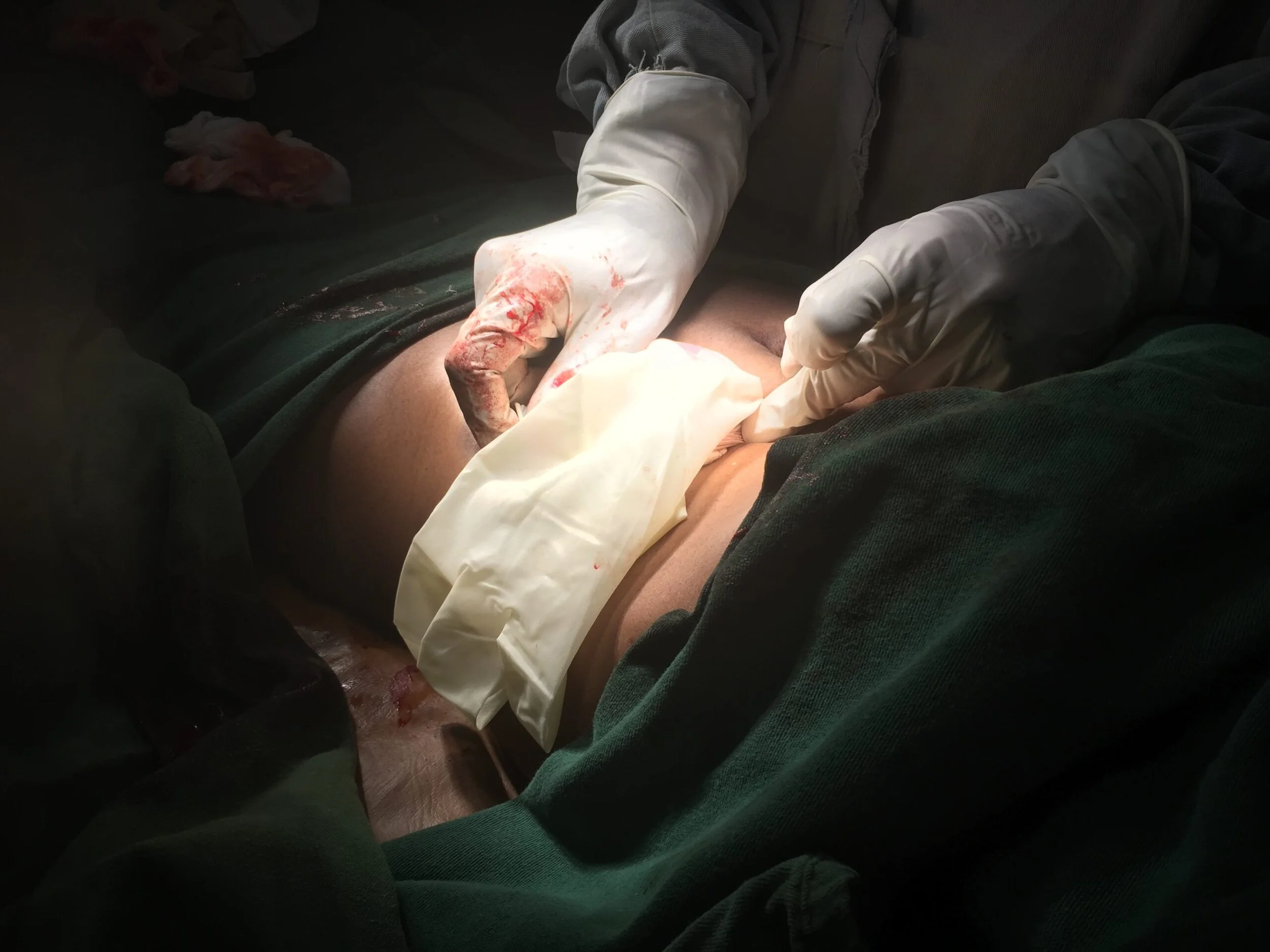
A partnership with Kilimanjaro Christian Medical Centre in Tanzania that strengthens critical care, anaesthesia and safe childbirth through exchange, training and research.
-
![]()
SESAC
Swedish and Ethiopian surgeons and anaesthesiologists learning from each other to strengthen surgery, intensive care and anaesthesia in both countries.
-
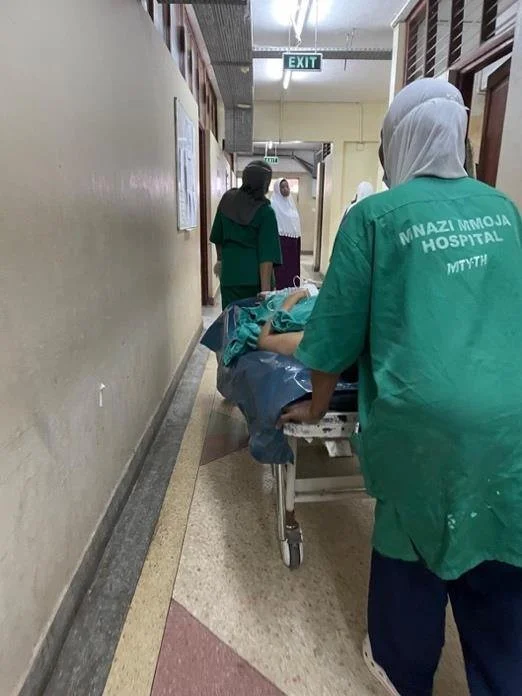
![Corridor at Mnazi Mmoja Hospital in Zanzibar]()
ZEP
Swedish anaesthesiologists working side by side with local teams in Zanzibar and Pemba to share skills, routines and a culture of patient safety.
Contact Us
By sending a message you agree that we handle your details according to our privacy policy.