FROM THE ARCHIVE · APRIL 2018
Exchange gave Eva Shanga the keys to better critical care
As the only anaesthesiologist at Temeke Regional Hospital, Dr Eva Shanga is always on call. Two weeks in Sweden gave her new tools to improve care.
Two weeks at Karolinska
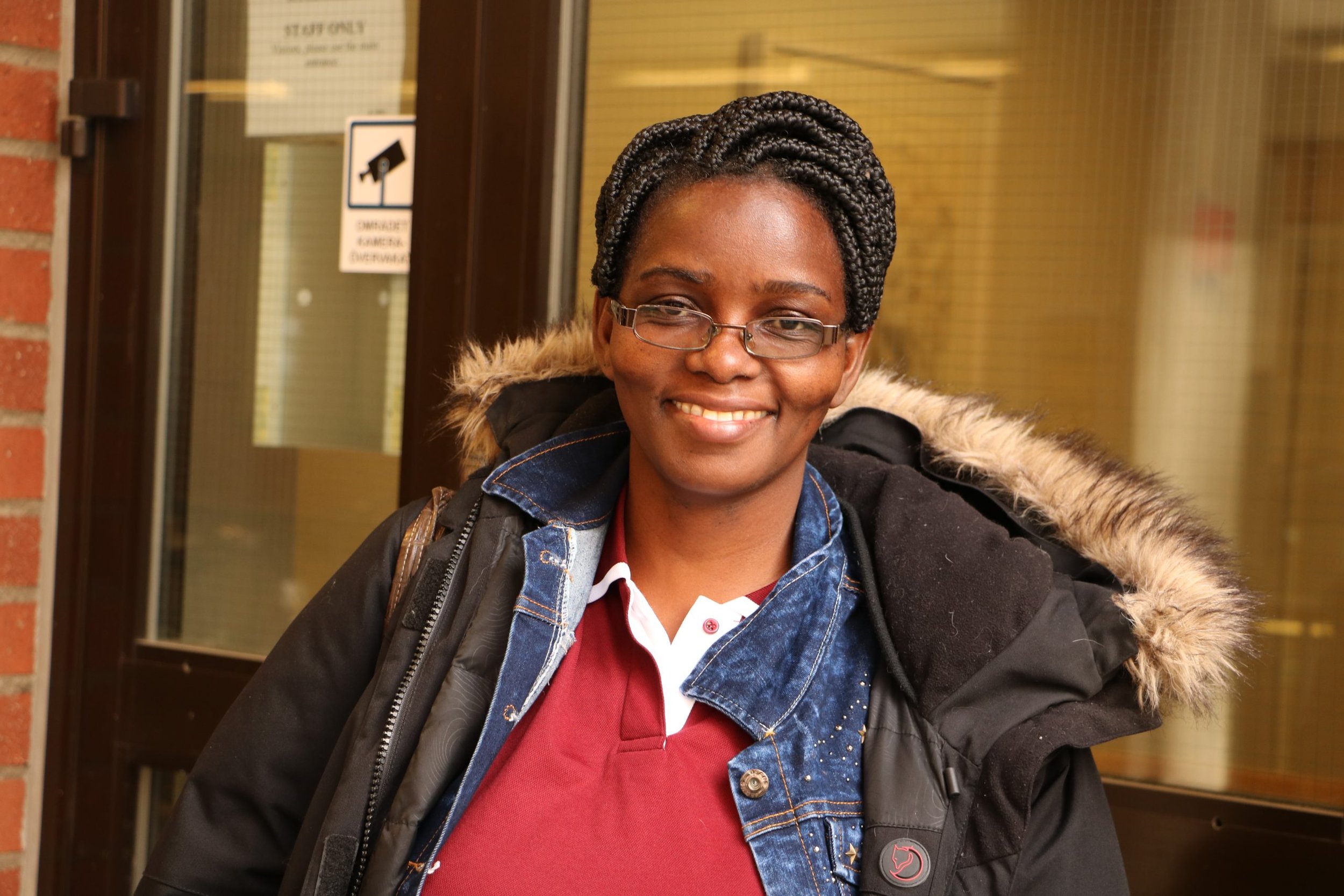
As the only anaesthesiologist at Temeke Regional Hospital in Tanzania, Dr Eva Shanga is always on call. Her drive to improve care for critically ill patients brought her to Sweden, where Life Support Foundation's exchange programme gave her important keys to take home.
For two weeks Eva shadowed staff at Karolinska University Hospital, and she shared her experiences at a seminar arranged by Life Support Foundation.
Four months earlier, Eva completed her specialist training and became the first and only anaesthesiologist at Temeke Regional Hospital, which serves several million people. Her training was funded by Life Support Foundation and the Educational Microloan and Scholarship Foundation (EDUF).
It was the dramatic birth of her son Henry that made her decide to become an anaesthesiologist. She needed an emergency Caesarean but had to wait for hours before an anaesthetist arrived. "Anything could have happened to my child," she says.
Temeke Regional Hospital handles 1,150 births a month, 207 of them by Caesarean section. "My phone is on day and night. I get three or four calls a night every week, from my own and other hospitals." On a recent evening, she rode a motorcycle through traffic jams to reach a mother with pre-eclampsia and breathing problems in time.
"Teamwork and communication are the keys to good results"
The hospital has two operating theatres, one working anaesthesia machine and very little other equipment. "You have to improvise when the electricity fails and the equipment stops working. Sometimes I feel very alone and overworked."
Hope keeps her going, and change has begun: a third theatre for births is on the way, a colleague is in specialist training, and the hospital has six nurse anaesthetists.
In Sweden she saw in practice how much checklists and time-outs matter. "That's something I will work more on when I get home. Until now there was no anaesthesiologist who could explain the facts. Now I can explain why things go wrong and what we should do instead."
"I learned a lot of theory during my training, but seeing how it works in practice makes the knowledge stick much better."
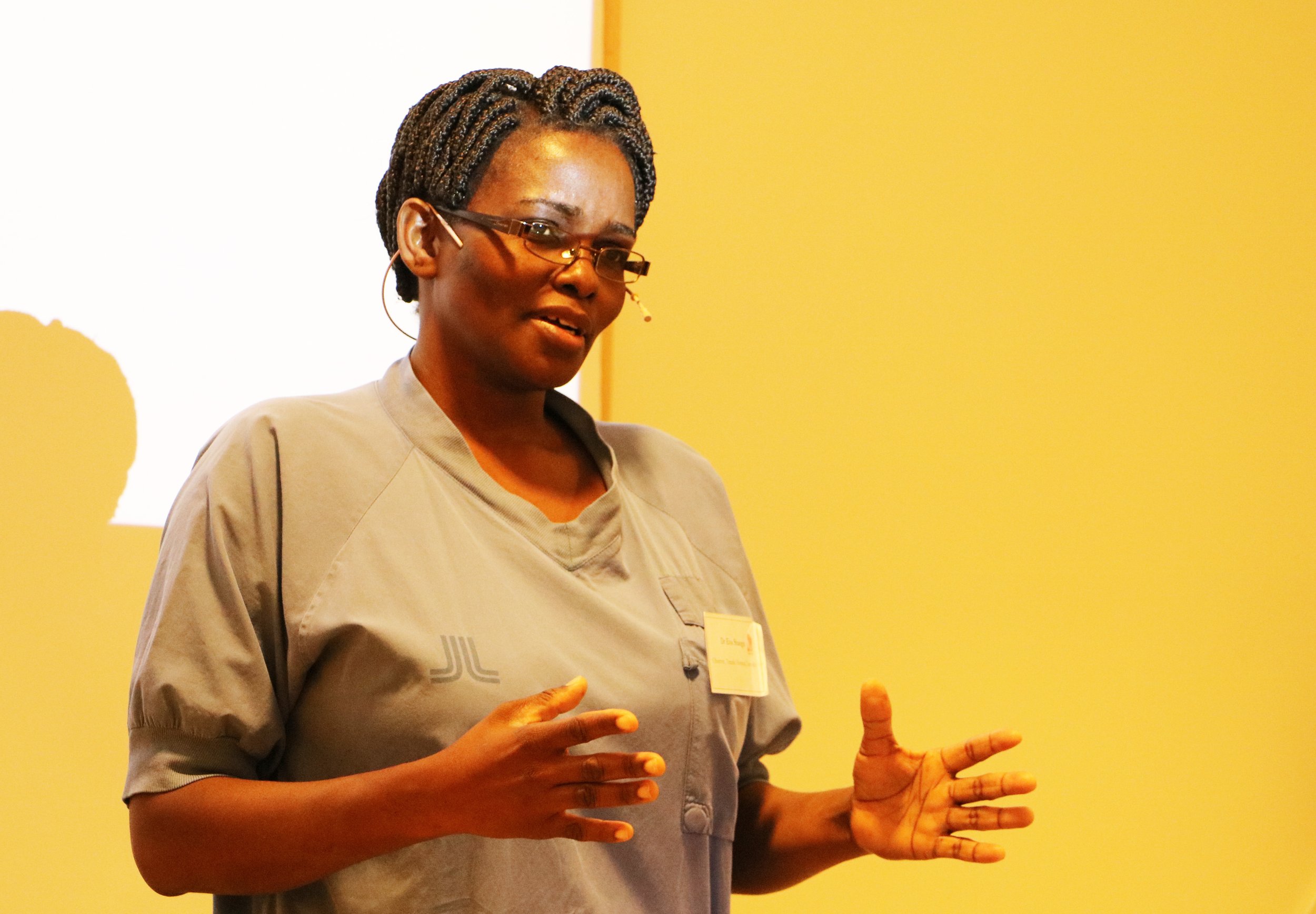
BACK IN TEMEKE
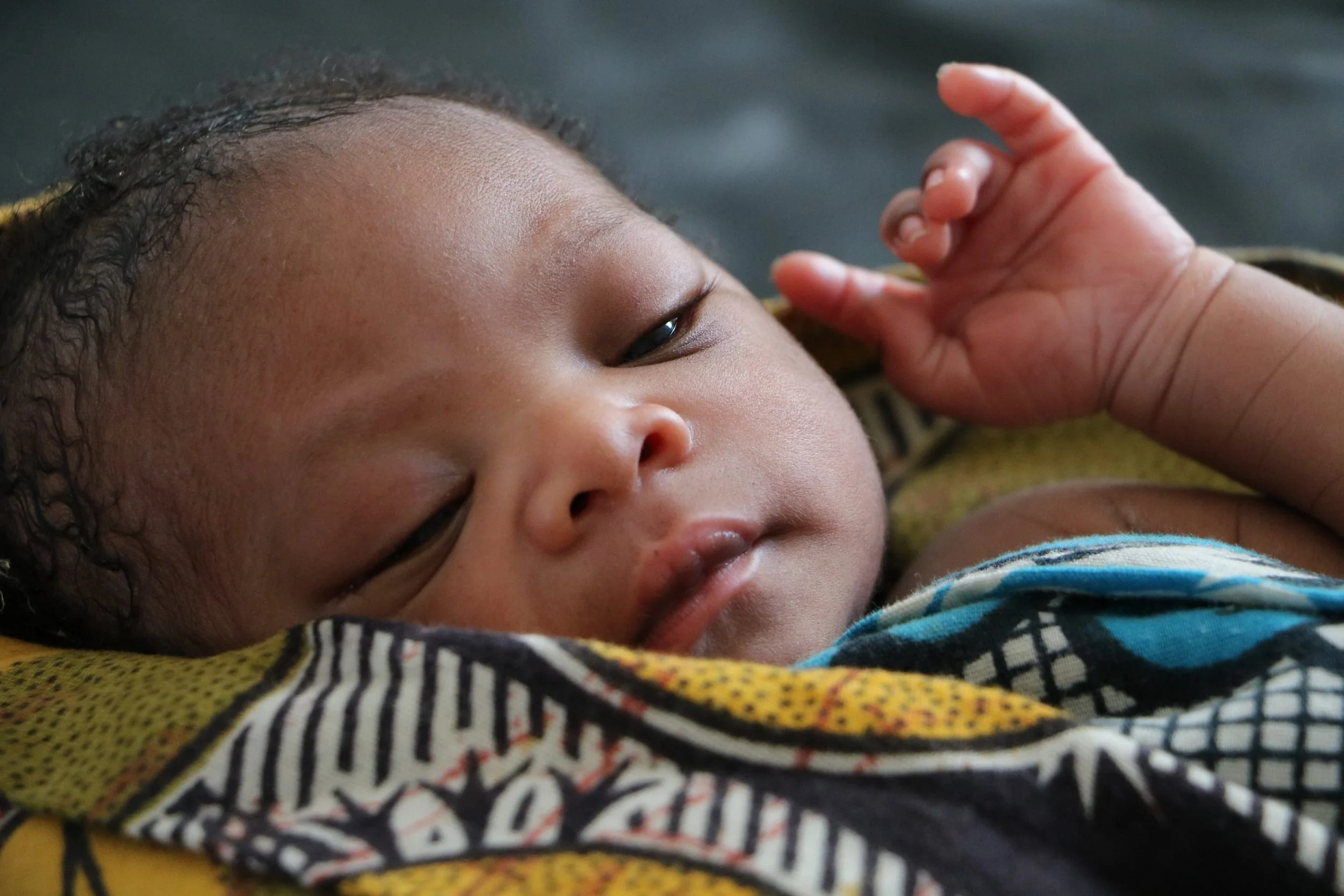
Help us train more anaesthesiologists
Your gift supports exchanges and specialist training that bring safe anaesthesia to more hospitals.
Bankgiro: 502-1456
Swish: 123 461 08 04